#1 — The billion-dollar paradox: the money didn't buy a national team
Here's the twist that defines the whole story. After spending about $2 billion on soccer alone, Saudi Arabia got one thing money couldn't buy: a strong national team.
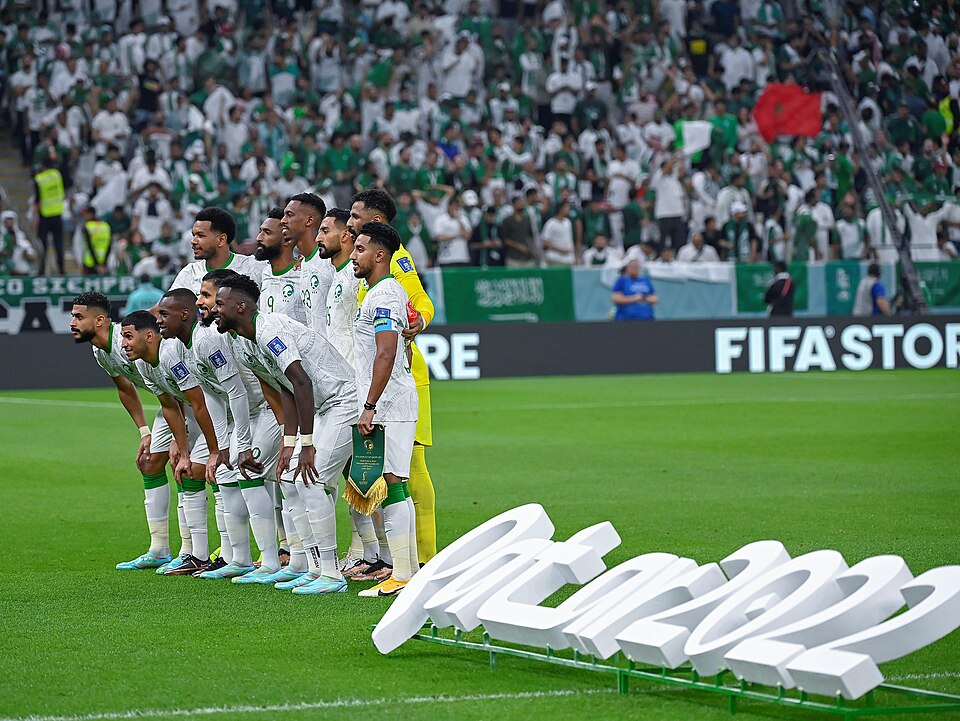
The "Green Falcons" barely qualified for the 2026 World Cup — they came through the playoffs, complete with a last-minute coaching change. The money bought Cristiano Ronaldo; it didn't buy a functioning youth system. Worse: raising the foreign-player quota from 5 to 10 per club deepened the problem, since each team is required to field only three Saudis. Many compare the situation to China a decade ago, which also spent fortunes and then watched the project wither.
And since Vision 2030 is a long-term plan, with a vault of nearly $1 trillion behind it, the bet is simple: time and money will solve it. Whether they actually will is the billion-dollar question the 2034 World Cup will answer.
So what's the verdict? The Saudi strategy is a success and a failure at the same time. Billions transformed the league from an obscure competition into a global talking point, filled the 2026 World Cup squads with imported stars, and secured the 2034 hosting rights. But the dream of seeing its own national team shine remains distant. Saudi Arabia bought the world's stars — it just hasn't managed, yet, to manufacture its own.