For years, Ronaldo was soccer's only billionaire. Now Messi has crossed the line too — but the way he got there has nothing to do with salary, and there's a twist at the end that almost nobody noticed. There are 7 pieces. #1 is the one that caught everyone off guard.
In May 2026, Bloomberg pressed a button and changed the conversation: according to their billionaires index, Lionel Messi crossed the $1 billion net worth mark. The kid from Rosario, whose future was once sketched on a napkin, became the second active billionaire at the 2026 World Cup, alongside his old rival Cristiano Ronaldo.
But here's the detail that changes everything: salary alone doesn't make an athlete a billionaire. After taxes, lifestyle, and decades of spending, the $700+ million Messi earned playing turned into a lot less. So how did he reach the billion?
The answer has 7 pieces, from smallest to biggest. Piece #1 is the one Bloomberg "discovered" — the one that changed the math overnight. And there's a twist at the end that makes it worth reading all the way to the last slide.
#7 — The player salary: more than $700 million
The foundation of everything. Since his professional debut in 2007, Messi has piled up more than $700 million in salary and bonuses across Barcelona, PSG, and Inter Miami.
It's a historic number — one of the biggest an athlete has ever generated on the field. But on its own, it doesn't explain the billion. Much of it was earned in Spain and France, countries with very high taxes. What lands in his pocket is a fraction of what appears in the contract.
So the secret is off the field. Let's climb. 👇
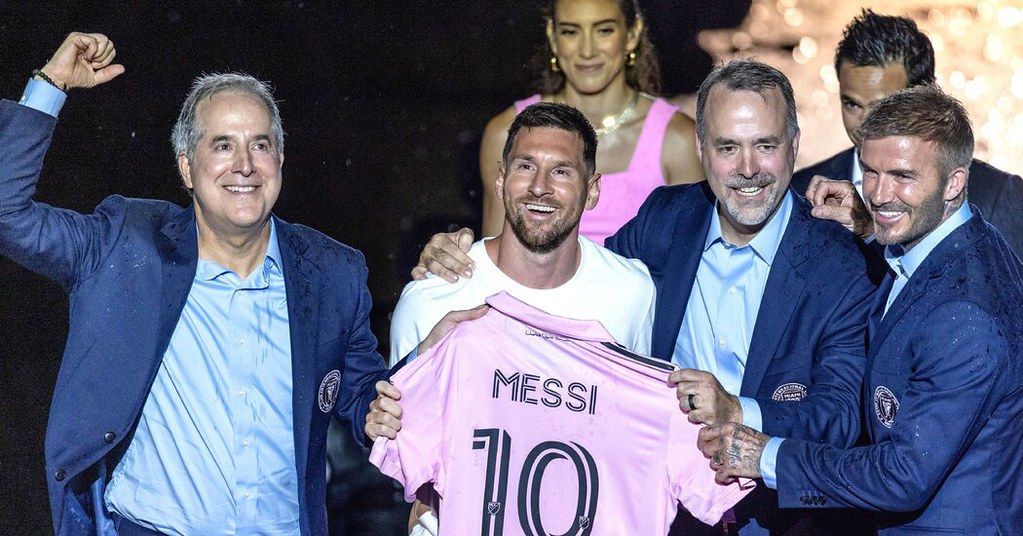
#6 — Turning down $400 million from Saudi Arabia
Here's a decision that looked financially "wrong" — and proved to be genius. After winning the World Cup, Messi turned down a reported offer of $400 million a year from Saudi Arabia and chose Inter Miami.
Why does this matter for his fortune? Because the move to the U.S. unlocked something Saudi money wouldn't have: equity, revenue sharing, and a new commercial platform. The salary was smaller, but what came with it was worth far more. Hold on to that logic.
The next piece is exactly what he got in exchange for giving up the Saudi millions.
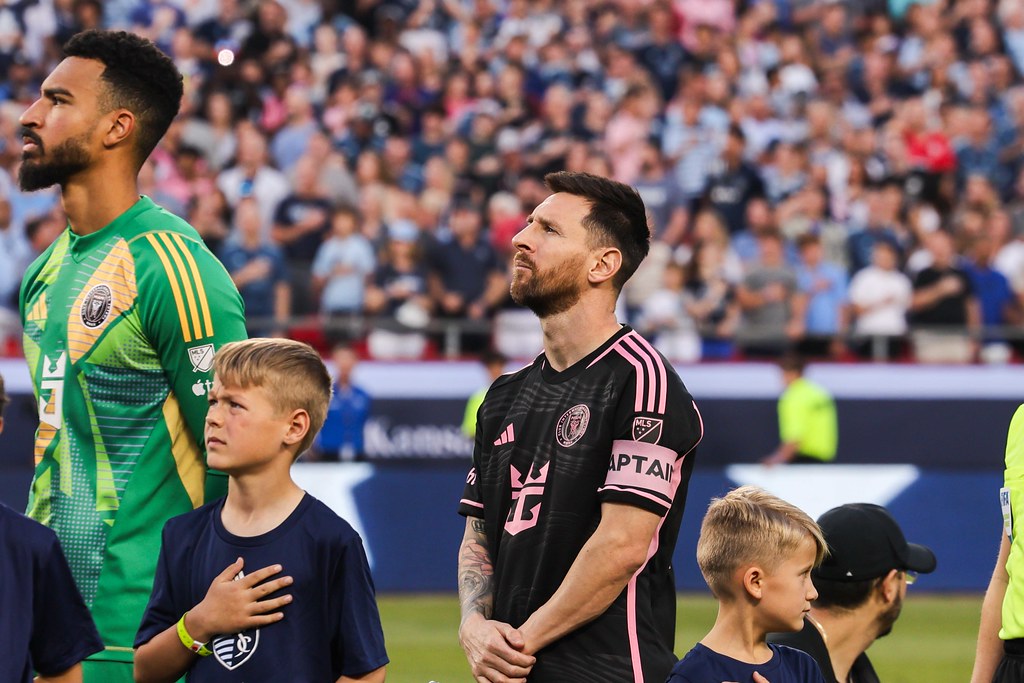
#5 — The Inter Miami contract: equity and shared revenue
The Miami deal is unlike anything else. Messi earns between $70 and $80 million a year, but the gold is in the structure: he has a share of Apple TV revenue (MLS Season Pass) and of Adidas jersey sales, plus equity options in the club.
And it worked for everyone: Inter Miami's value shot up to about $1.45 billion, becoming the most valuable soccer club in the U.S. Messi isn't just an employee — he's a partner in the growth he created himself.