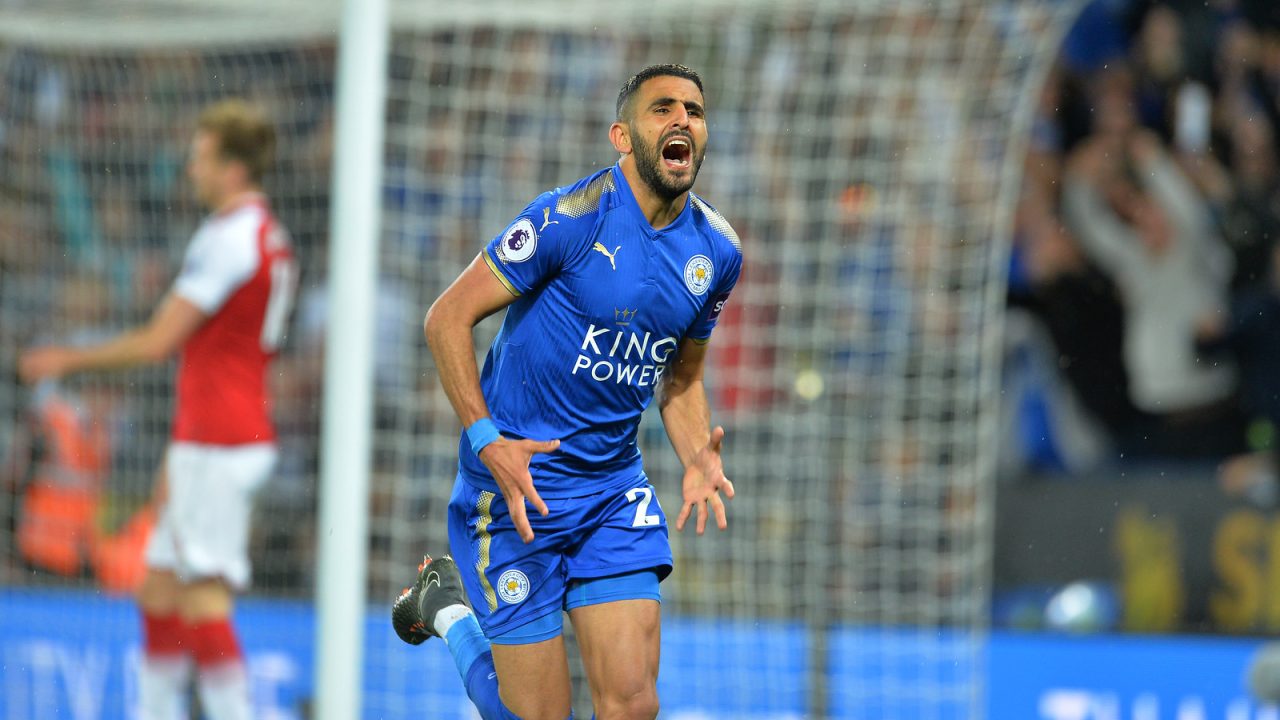
#4 — The Africans: Mané, Mahrez, and the tax-free salary
Saudi Arabia didn't stop at the most obvious names. Sadio Mané (Al-Nassr) and Riyad Mahrez (Al-Ahli) were two of the great Africans drawn by Saudi money — and the appeal was specific: a tax-free salary.
Since Saudi Arabia charges no income tax, the net amount these players take home is enormous compared to an equivalent European contract. For stars in the final stretch of their careers, it was a chance to multiply the fortune that Europe, with its heavy taxes, would never provide. Mané, for example, has already pocketed more than $120 million tax-free from the Saudi contract alone.
Three to go. And #1 is the paradox that defines everything.
#3 — The army of supporting players: Koulibaly, Brozović, Laporte, Kanté
The revolution wasn't only about top stars. An army of elite players followed the money: Kalidou Koulibaly (Al-Hilal), Marcelo Brozović (Al-Nassr), Aymeric Laporte (Al-Nassr), and N'Golo Kanté (Al-Ittihad), among others.
All of them are at the 2026 World Cup, and all of them saw their net worth jump thanks to the tax-free Saudi contracts. Koulibaly, for example, piled up more than $110 million in pure cash. It's proof that Saudi money didn't just buy headlines — it overhauled the fortunes of dozens of players scattered across the World Cup.
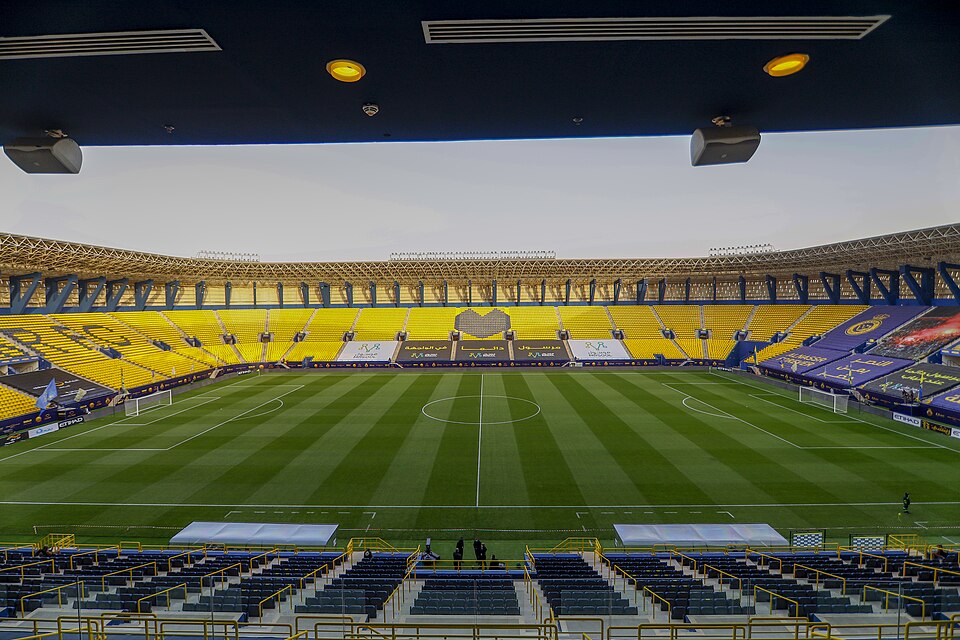
#2 — The real goal: Vision 2030 and the 2034 World Cup
Here's what few people understand: this was never about soccer. The spending is part of Vision 2030, Crown Prince Mohammed bin Salman's plan to diversify the Saudi economy beyond oil and reshape the country's global image.
Soccer is just the most visible piece of a bigger puzzle. The ultimate goal became clear: Saudi Arabia will host the 2034 World Cup, and plans 11 new stadiums for it. The imported stars were, in practice, a "Trojan horse" — using soccer to attract attention, investors, and legitimacy. Critics call the strategy sportswashing: using the shine of sport to divert focus from human-rights issues in the country. Supporters call it soft power. Both sides agree on one point: it worked to put Saudi Arabia at the center of the map.
And now #1 — where this whole strategy hits an unexpected wall.