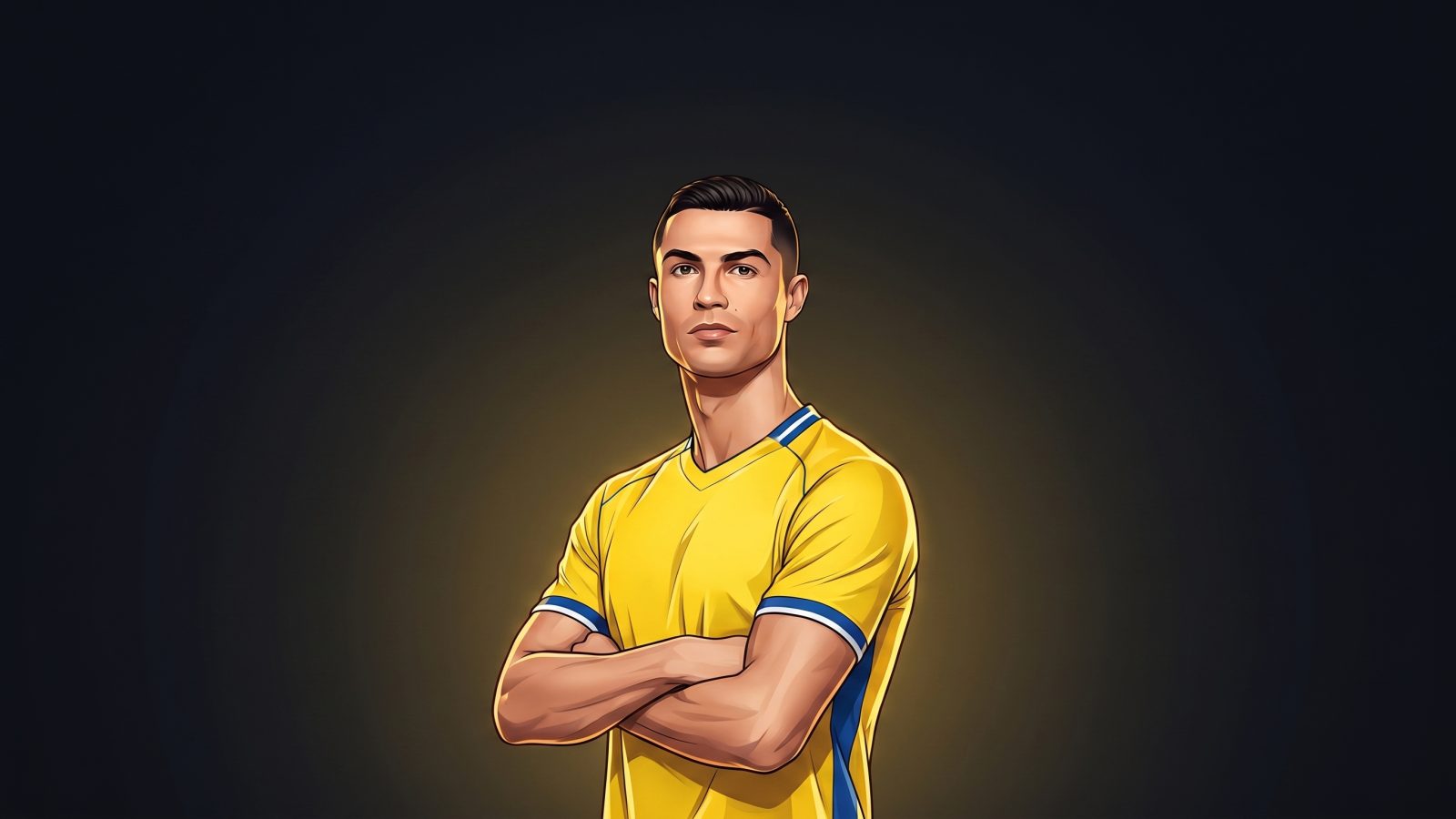
In three years, Saudi Arabia poured billions into soccer and poached some of the world's biggest stars. Now they're scattered across the 2026 World Cup — but the story has a twist nobody saw coming. There are 7 chapters. #1 is the billion-dollar paradox.
Look at the 2026 World Cup squads and you'll notice a strange pattern: stars who, three years ago, played in Europe now wear the shirts of clubs few people could pronounce. Cristiano Ronaldo at Al-Nassr. Sadio Mané too. Riyad Mahrez at Al-Ahli. Neymar passed through Al-Hilal.
The reason is just one: Saudi Arabia decided to buy world soccer. In three years, the country poured billions of dollars into luring the sport's biggest names. And the result is spread all across the 2026 World Cup.
But here's what most articles don't tell you: the strategy worked and failed at the same time. It bought stars, yes. It bought global visibility, yes. But the ultimate goal? That's the billion-dollar paradox we reveal in chapter #1.
There are 7 chapters, from smallest to biggest. Let's start with the money.
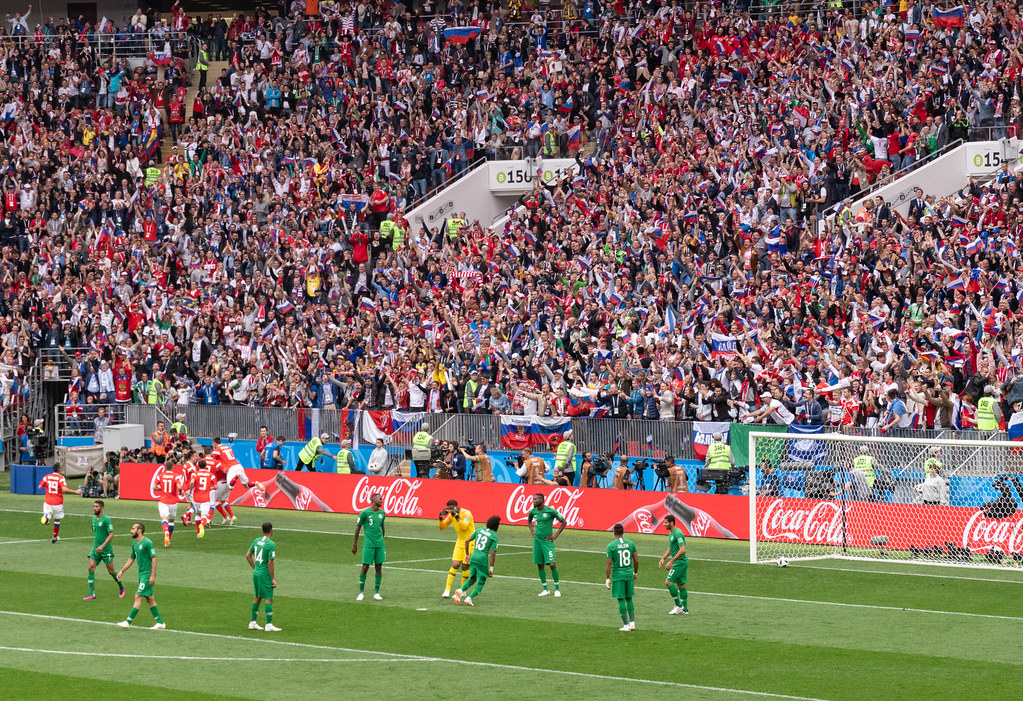
#7 — The money: more than $6 billion in sport
Let's start with the scale, which is hard to absorb. Between 2021 and 2023, the Saudi government used its Public Investment Fund (PIF) — one of the largest sovereign wealth funds in the world, with about $950 billion in assets — to invest more than $6 billion in sports: soccer, golf, boxing, F1, e-sports.
In soccer alone, the PIF began booking about $2 billion a year — more than the entire cultural budget of some countries. That's the size of the vault behind it all. And it funded the next move.
Now see where that money ended up — starting with the man who opened the doors. 👇
#6 — Cristiano Ronaldo: the man who started it all
The piece that unlocked the revolution. When Al-Nassr signed Cristiano Ronaldo, in late 2022, for somewhere around $200 million a year, it was the starting gun. He wasn't just another signing — he was the trendsetter.
The message to the world was clear: Saudi Arabia wanted to become a global soccer destination overnight. And it worked — after Ronaldo came a line of superstars. Without him, none of the rest of this list would have happened. It was the signing that changed the economics of the sport.
The next chapter is the line of stars who followed his path.
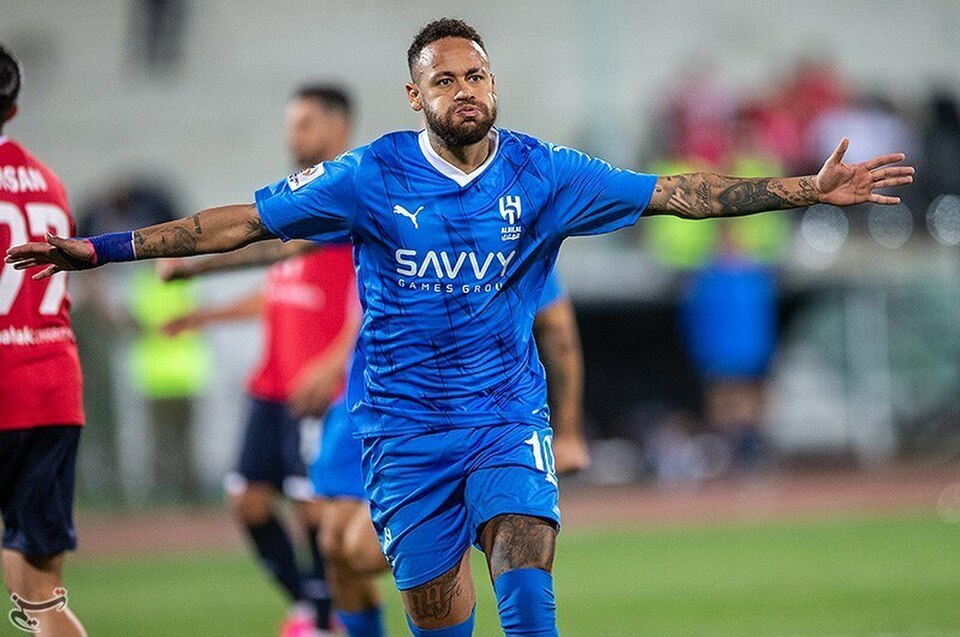
#5 — Neymar, Benzema, and the 2023 exodus
The summer of 2023 was the "shock and awe" moment. The PIF took control of four clubs — Al-Nassr, Al-Hilal, Al-Ittihad, and Al-Ahli — and opened the checkbook.
Neymar went to Al-Hilal. Karim Benzema, to Al-Ittihad. Suddenly, the Saudi league had more Ballon d'Or winners than most continental competitions. It was the biggest transfer of star power in recent soccer history, all concentrated into a few months.