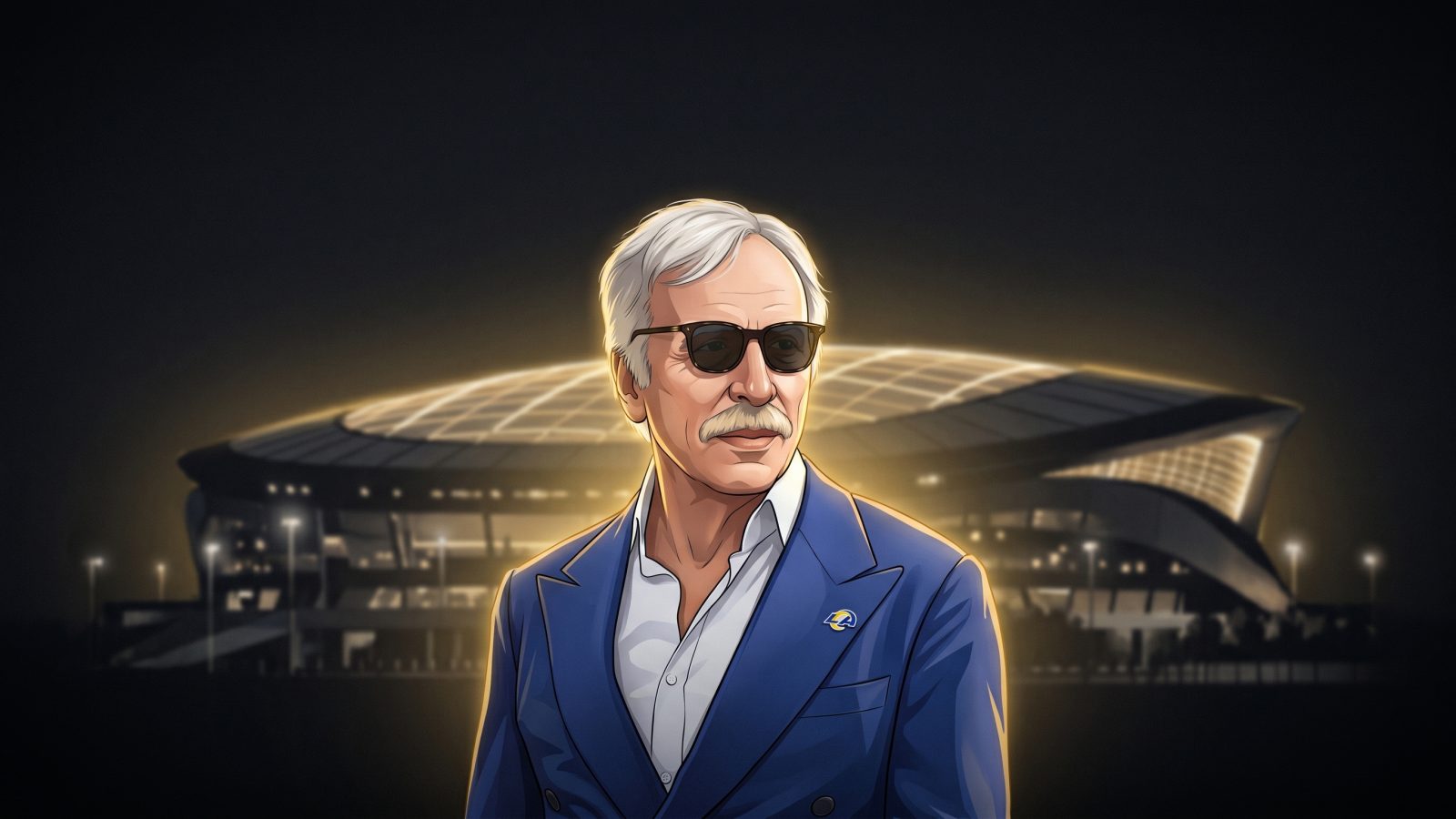
They're worth tens of billions and their stadiums will host the World Cup. But there's a catch almost nobody notices: most of these billionaires DON'T own the stadium — just the team that plays in it. We ranked the owners by fortune, from #7 to #1. And #1 isn't who you think.
Behind the grandest stadiums of the 2026 World Cup is an exclusive club: American billionaires whose fortunes add up to hundreds of billions of dollars. Stan Kroenke, Jerry Jones, Arthur Blank — names that rule American sport.
But here's the catch that changes the whole story, and that most articles ignore: owning a team isn't the same as owning the stadium. Several of these billionaires have the famous team, but play in a stadium that belongs to the city, the county, or the state — that is, to the taxpayer. Only a handful actually own the building.
We ranked the owners tied to the World Cup stadiums by net worth, from #7 to #1, separating those who actually own the stadium from those who just rent. And the #1 in fortune might surprise you — it isn't the most famous owner.
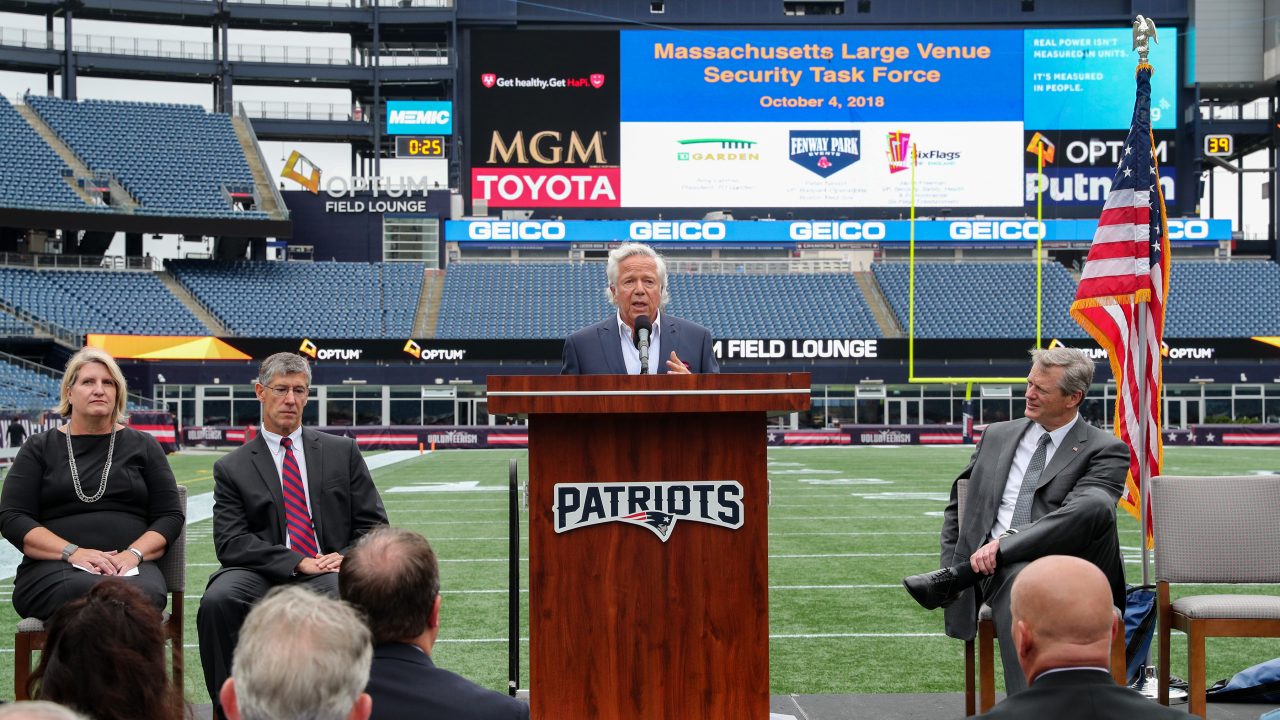
#7 — Robert Kraft (Gillette Stadium): ~$13.8 billion
Opening the list, Robert Kraft, owner of the New England Patriots, with a fortune of about $13.8 billion. And he's in the select group: he truly owns Gillette Stadium, in Boston, which he financed.
Kraft is an NFL legend, with multiple Super Bowl titles. Gillette underwent a major renovation for the World Cup, gaining the largest outdoor HD screen in the country. A billionaire who actually owns the stage where the ball will roll.
These are just the first. #1 is worth nearly double this. 👇
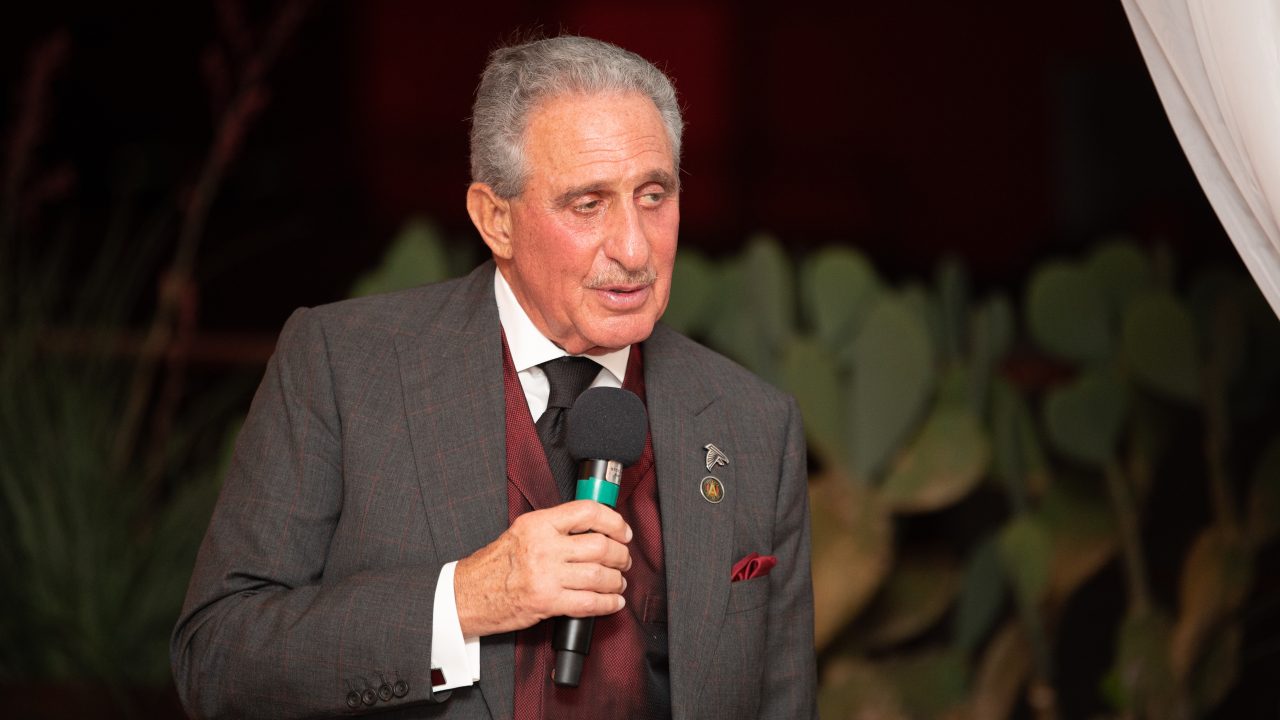
#6 — Arthur Blank (Mercedes-Benz Stadium): ~$11.1 billion
Arthur Blank, co-founder of Home Depot and owner of the Atlanta Falcons, is worth about $11.1 billion. Mercedes-Benz Stadium, in Atlanta, is mixed-financed (Blank + the state of Georgia).
A curious detail: Mercedes-Benz is the only World Cup stadium that keeps its sponsor's name (the logo is integrated into the roof), an exception to FIFA's rules. And, as we saw, it's the "fair pricing" stadium — Blank is known for putting fans first. A fortune made selling tools, now applied to sport.
The next one owns one of the most versatile stadiums in the world.
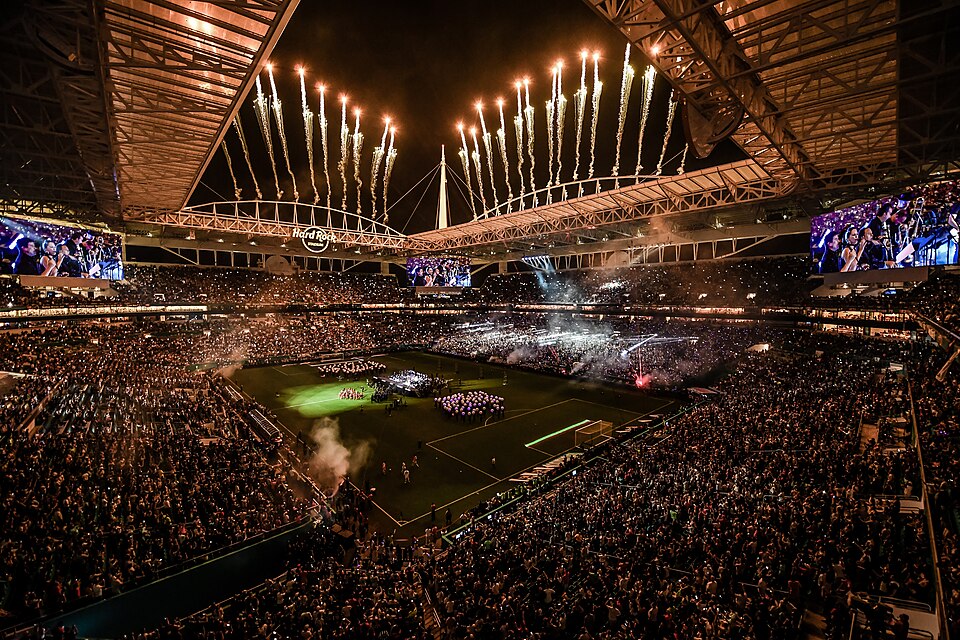
#5 — Stephen Ross (Hard Rock Stadium): ~$17 billion
Stephen Ross, a real-estate magnate and owner of the Miami Dolphins, is worth about $17 billion. And he fully owns Hard Rock Stadium, in Miami — including the land.
Hard Rock is one of the most versatile assets in American sport: beyond soccer, it hosts the Miami F1 Grand Prix and the Miami Open tennis tournament. Ross invested more than $1 billion of his own money in renovations, and sold minority stakes that valued the portfolio at $12.5 billion. An entertainment empire, not just a stadium.