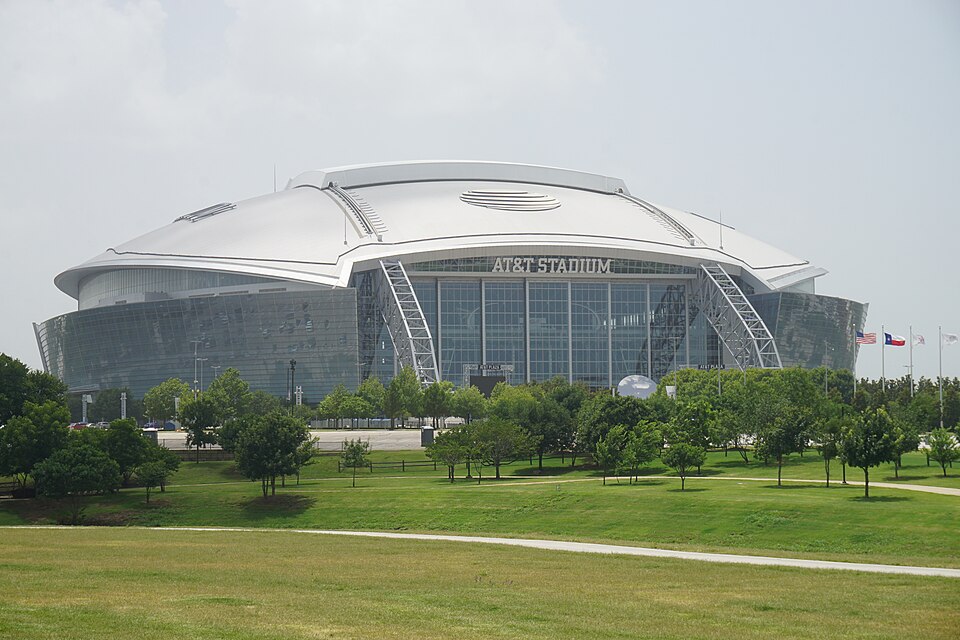
#4 — Jerry Jones (AT&T Stadium): ~$20.4 billion
Here's the most famous name on the list — with the biggest catch. Jerry Jones, owner of the Dallas Cowboys, is worth about $20.4 billion. He built and runs "JerryWorld," the busiest stadium at the World Cup (nine games, including a semifinal).
But pay attention: Jones does not own AT&T Stadium. The owner is the city of Arlington, Texas. Jones and the Cowboys operate the stadium under a lease that runs until 2039, paying the city about $2 million a year in rent. He made his fortune in oil and gas, but the stadium that bears his name is, in fact, public.
Three to go. And the #1 in fortune isn't the most-remembered owner.
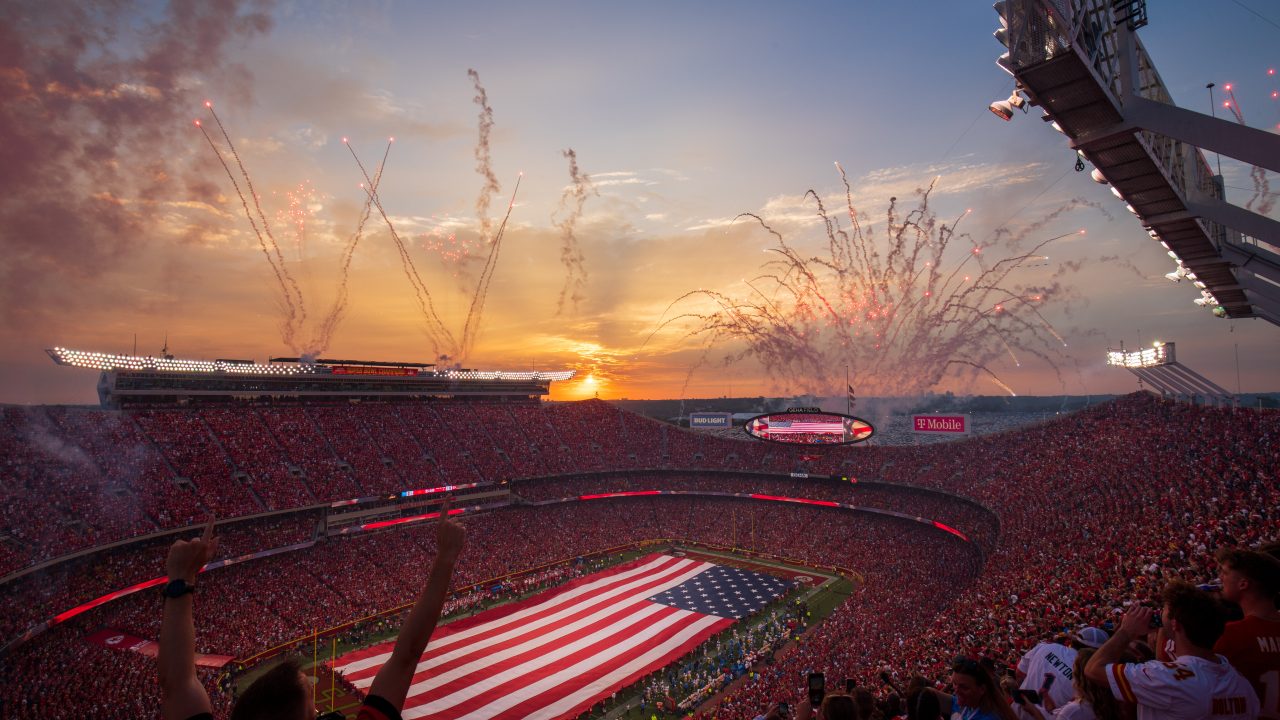
#3 — The Hunt family (Arrowhead Stadium): ~$24.8 billion
And here's the surprise at the top. The highest fortune tied to a World Cup stadium doesn't belong to a famous NFL name — it's the Hunt family, owner of the Kansas City Chiefs, with about $24.8 billion.
And there's a beautiful connection to soccer: the patriarch, Lamar Hunt, helped found Major League Soccer (MLS). In other words, the biggest fortune behind a World Cup stadium belongs to the family that helped plant soccer in the U.S. But, like Jones, the Hunts play in a public stadium (Arrowhead belongs to Jackson County) — they have the team, not the building.
And now the two biggest. #1 truly owns the most expensive stadium in the world — and Brazilian fans know him well.
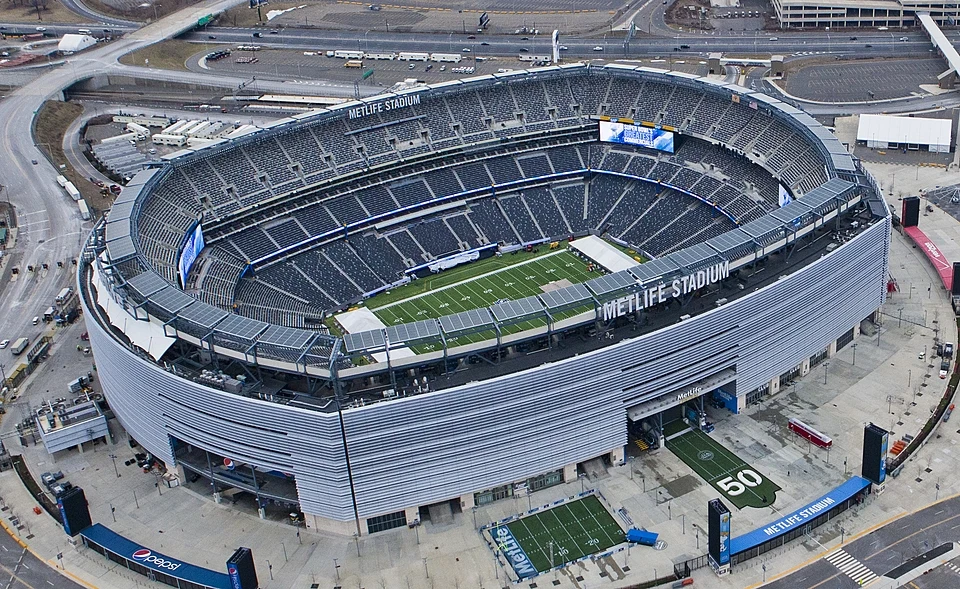
#2 — The Mara and Johnson families (MetLife): the owners of the final
The stage for the final, MetLife Stadium, is privately owned — a rare 50/50 joint venture between the Mara family (owner of the New York Giants) and the Johnson family (owner of the New York Jets, heir to the Johnson & Johnson fortune).
It's one of the few World Cup stadiums actually owned by the team owners, and the only one shared by two billionaire families. They'll share the spotlight of the sport's biggest final on July 19. Two empires, one stadium, the world's decider.
And now #1 — the only one who single-handedly built the most expensive stadium in history.