#4 — The grass that isn't there (and had to be planted)
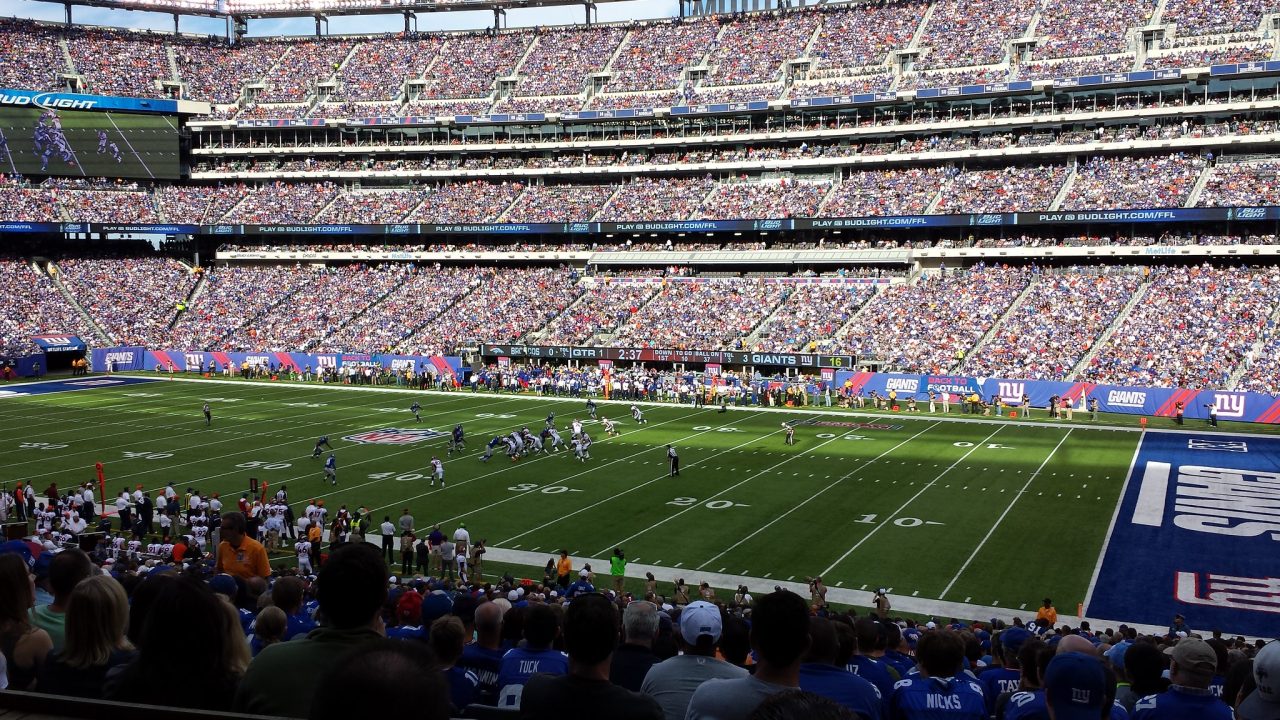
Here's a detail many people don't know. MetLife normally plays on synthetic turf (FieldTurf). But FIFA requires natural grass for every World Cup game.
So, as in several American stadiums, natural grass is being grown and installed over the synthetic — following the same protocol successfully tested at the 2024 Copa América and the 2025 Club World Cup final (Chelsea 3, PSG 0). Days before the World Cup, the stadium also earned LEED Gold environmental certification, one of the highest in sports.
Three to go. And #1 is the most surprising of all.
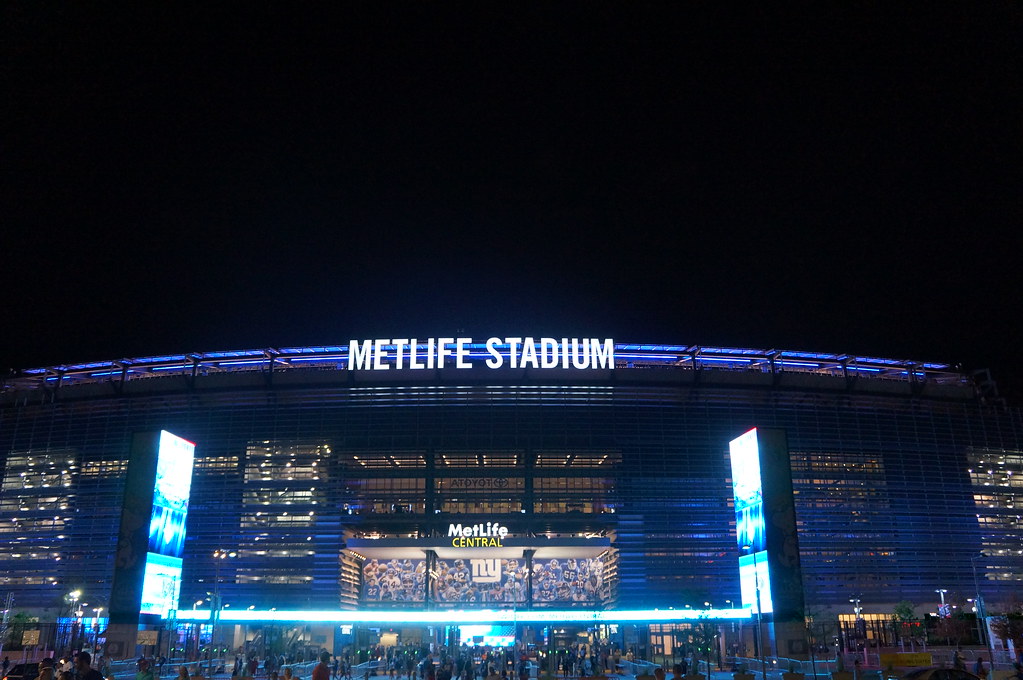
#3 — The Allianz Arena touch: the stadium that changes color
A design touch that might surprise European fans. Just like the Allianz Arena in Munich, MetLife can change the color of its interior lights and exterior panels.
In day-to-day NFL life, it lights up blue when the Giants play and green when it's the Jets' turn — the two teams that share the stadium (a rarity in the league, matched only by SoFi). The design is a middle ground between the Giants' traditional taste (rustic stone) and the Jets' modern look (steel, metal, and glass). What color will it wear for the final? That's a good question for July 19.
#2 — The heat controversy that could change the final's kickoff time
Here's the most serious controversy. The final is set to kick off at 3 p.m. local time. The problem? The July heat in New Jersey.
FIFPRO, the global players' union, classified MetLife as a "high-risk" venue for heat-related problems. And it isn't theoretical: during the 2025 Club World Cup, temperatures at the stadium reached 39°C (102°F), with storms causing game delays.
Experts called on FIFA to move the final's kickoff earlier to protect the players. But, so far, FIFA is keeping it at 3 p.m. — balancing athlete safety against the commercial interests of TV audiences in Europe and Asia, where the game needs to air at a viable hour.
And now #1 — a moment that has never happened in 96 years of World Cups.