
#4 — The Premier League top: Haaland leads
On the English side, the top also impresses. Erling Haaland is the highest-paid in the Premier League, with about £27.3 million a year (about £525,000 a week) at Manchester City.
And here there's a crucial difference from the NFL: in soccer, the salary is just the beginning. Stars like Haaland add huge sponsorships (Nike, etc.) that can double their income. In the NFL, sponsorships exist, but they weigh much less in the total. The soccer star is a global brand; the NFL player, not always.
Three to go. And #1 is the detail that explains everything.

#3 — The difference nobody sees: global sponsorship
Here's a factor that separates the two worlds. Soccer is a global sport; American football is, essentially, American. That radically changes the athletes' commercial value.
A Haaland or a Salah sells jerseys and fronts campaigns in Europe, Asia, Africa, and the Americas. An NFL star, however famous in the U.S., has limited commercial reach outside the country. The result: elite soccer stars earn much more in sponsorship than NFL players, even when the club salary is similar. The top soccer player's real income is inflated by worldwide fame.
#2 — Contract security: soccer wins again
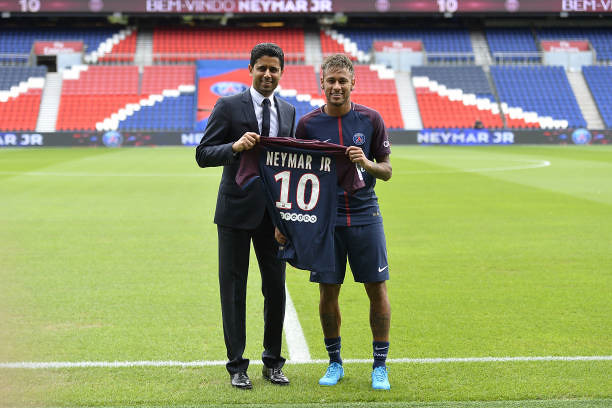
Here's a brutal, rarely discussed difference. In soccer, contracts are fully guaranteed: if a star signs for five years, he gets the five years, even if he loses form or gets injured.
In the NFL, most contracts are not fully guaranteed — only a portion (the signing bonus and some clauses). A player can be cut and lose much of the "contracted" value. So, although the NFL's gross numbers look enormous, the soccer player has much more certainty about what he'll actually receive. In risk, soccer is paradise.
And now #1 — the detail that resolves the whole paradox.